

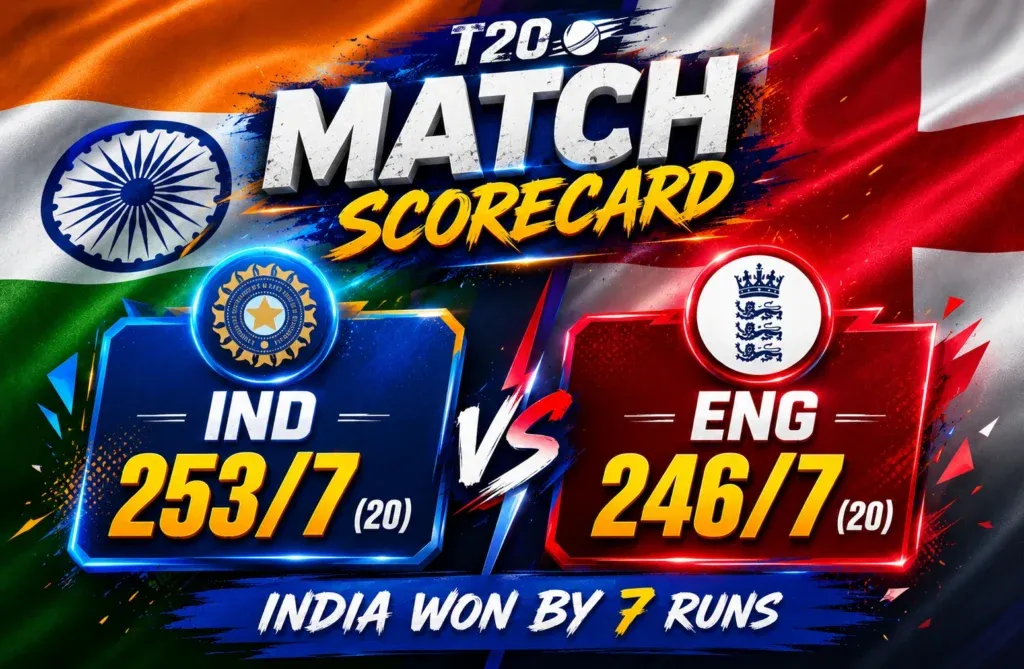
Following a live cricket match becomes easier when the scorecard is clear. Readers visiting cricketmatchteam.com can use scorecard information to keep track of runs, wickets, overs, batting figures, and bowling performances. Live cricket moves quickly, especially during limited-overs matches. A well-organised scorecard helps fans understand the current position without needing to watch every delivery.
Live scorecards are useful in many situations. Someone may be travelling, working, or unable to access a television broadcast. Another person might want to check a particular player’s performance during an ongoing match. The scorecard provides essential information in a compact format.
What A Live Scorecard Shows
A live cricket scorecard normally displays the teams playing and the current innings. It includes the batting team’s score, wickets lost, and overs completed. The opposing team may also have its bowling figures displayed.
The current score is usually the first detail readers notice. A display such as 124/3 tells readers that the batting team has scored 124 runs and lost three wickets. The overs figure shows how much of the innings has been completed.
The scorecard also identifies the batters currently at the crease. Their individual runs and balls faced help readers understand who is handling the innings. Some platforms display strike rates and boundary counts alongside these details.
Bowling information shows which players are delivering overs. It may include overs bowled, runs conceded, wickets, and economy rate. This allows readers to compare the current batting and bowling performances.
Following Every Over
An over contains six legal deliveries under standard cricket rules. The over display helps readers understand how much of the innings has been completed. A notation such as 12.3 means twelve complete overs and three additional legal balls.
The score changes after every scoring event. A single adds one run, while a boundary adds four runs under normal boundary rules. A six adds six runs when the ball crosses the boundary without touching the ground.
Wickets can change the match position immediately. A dismissal reduces the number of available batters and may bring a new player to the crease. The scorecard records the wicket and updates the batting information.
Extras can also affect the over. Wides and no-balls do not count as legal deliveries under standard rules. The batting team receives the applicable extra runs, and the bowler may need to deliver another ball.
Understanding Ball By Ball Updates
Ball-by-ball updates provide more detail than the main scorecard. They describe what happened during each delivery and show how the innings developed. Readers can follow singles, boundaries, dot balls, wickets, and extras.
A dot ball means the batter has not scored runs from that delivery. Several dot balls can create pressure, particularly during a chase. Batters may then attempt more aggressive shots to increase the scoring rate.
A boundary changes the score quickly. Four runs are normally awarded when the ball reaches the boundary after touching the ground. Six runs are awarded when the ball crosses the boundary without touching the ground.
Wicket updates should include the dismissed batter and the method of dismissal. A caught dismissal, bowled dismissal, and run out are recorded differently. These details help readers understand how the bowling side made progress.
Current Run Rate And Progress
Current run rate shows how quickly the batting team has scored. It is calculated using runs scored and overs completed. In limited-overs cricket, this figure helps readers judge whether the innings is progressing at a suitable pace.
A team scoring 90 runs after fifteen overs has a current run rate of six. Another team reaching 90 after ten overs has scored at nine runs per over. The difference can be important when the innings has a fixed number of overs.
Current run rate should not be treated as a final prediction. Wickets remaining, batting depth, and pitch conditions can change the scoring pattern. A team may accelerate later or lose several wickets quickly.
Readers should also consider the innings format. A rate of six runs per over may be useful in one situation and insufficient in another. The target and available overs provide necessary context.
Keeping Track Of Batters
A live scorecard normally displays the batters currently playing. Their individual runs and balls faced help readers understand the partnership. Strike rate may also appear beside each player’s name.
The batter on strike faces the next delivery. Some platforms use a symbol to identify this player. The symbol may change after a single or another scoring event that changes the strike.
The non-striker remains at the other end of the pitch. Both players contribute to the partnership, even when one faces more deliveries. A strong partnership can help the team recover after losing early wickets.
When a batter is dismissed, the scorecard updates the batting list. The incoming player joins the remaining batter. Readers should check the new partnership information after each wicket.
Bowling Changes During Matches
Captains can change bowlers during an innings according to the format’s rules. The live scorecard shows the bowler currently delivering the over. It may also list the figures of previous bowlers.
Bowling changes can indicate a tactical adjustment. A captain may introduce spin to control scoring or bring back a pace bowler to attack. The scorecard allows readers to see which bowlers have already completed their overs.
In limited-overs cricket, bowlers have restrictions on the number of overs they can deliver. The exact limits depend on the format and playing conditions. Readers can use the overs column to understand how much bowling remains available.
Economy rate helps compare the bowlers. A lower rate means fewer runs were conceded per over on average. Wickets and match conditions should still be considered before judging the complete performance.
Following A Run Chase
The second innings begins with a target set by the first team. The live scorecard usually displays the target alongside the current score. Readers can calculate how many runs remain before the chasing team wins.
Required run rate shows the scoring speed needed from the remaining overs. If a team needs 72 runs from eight overs, the required rate is nine runs per over. The number changes as runs are scored and deliveries are completed.
Current run rate and required run rate should be checked together. If the current rate is lower, the chasing team may need to accelerate. If the current rate is higher, the team may have more flexibility.
Wickets remaining are important during a chase. A team with several wickets available can attempt aggressive shots with greater confidence. A team close to being all out may need a more cautious approach.
Why Match Status Matters
A live scorecard should clearly identify the match status. Matches may be live, completed, delayed, interrupted, or abandoned. Readers should check this information before interpreting the numbers.
Rain can interrupt an innings and reduce the available overs. Playing conditions may then require a revised target. The scorecard should display the updated information when the official calculation is available.
Bad light can also delay a match, particularly in longer formats. The current score may remain unchanged during the interruption. A status message helps explain why no new deliveries are appearing.
A match can also pause because of technical issues or other interruptions. Readers should avoid assuming that the match has ended simply because the score has stopped changing. The official status provides a clearer answer.
Understanding Delayed Updates
Live scorecards depend on information being recorded and published. Sometimes a delivery appears in the commentary before every statistical section updates. A short delay can occur while the score information is processed.
Readers should refresh only when necessary. Repeated refreshing may not make the information arrive faster. It is usually better to check the displayed update time and match status.
Different platforms may receive updates at slightly different moments. One source may show a wicket before another updates the bowling figures. This does not always mean one source is incorrect.
For important results, readers should confirm the completed scorecard. Final totals and official results are more suitable for sharing than temporary live figures. This is particularly important when a match ends closely.
Using Scorecards On Mobile Devices
Many fans follow cricket through mobile devices. A compact scorecard can make it easier to check match details while travelling or working. The layout should keep the current score visible without hiding important information.
A mobile display may place batting and bowling sections in separate panels. Readers can move between them to check individual figures. Some platforms also provide ball-by-ball commentary below the main score.
Internet connection quality can affect how quickly live information appears. A weak connection may delay updates or prevent some sections from loading. Checking the connection can help when a scorecard appears frozen.
Battery and data usage may also matter during long matches. Readers can use a lightweight scorecard view when available. There is no need to keep several live pages open at the same time.
Checking Important Match Moments
Certain moments deserve closer attention on a live scorecard. Early wickets can change the batting team’s plan. A strong partnership may stabilise the innings and improve the final total.
The final overs often create rapid changes. Batters may score boundaries, while bowlers attempt to protect the target. Over-by-over figures can show which side handled this period better.
A close run chase requires attention to runs needed and balls remaining. The number of wickets available also matters. These details help readers understand the pressure without relying only on commentary.
Super overs and other tie-breaking procedures may appear in certain limited-overs competitions. Their scoring information is generally displayed separately from the main innings. Readers should check the competition rules and official scorecard when these situations occur.
Saving Match Information For Later
Completed scorecards remain useful after the match ends. Readers can review batting scores, bowling figures, partnerships, and the final result. This information supports match reports and cricket discussions.
Historical scorecards help fans compare performances across tournaments. They can check how a player performed against a particular opponent. Venue and date details help identify the correct match.
Writers should verify statistics before publishing them. A wrong total or player name can make a report less reliable. Checking the completed scorecard is a simple way to reduce mistakes.
Readers should also distinguish official records from estimates. Projected scores and live predictions are not final results. The completed match record provides the confirmed figures.
Conclusion
A live cricket scorecard helps fans follow every important match development. Current scores, overs, batter details, bowling figures, and chase requirements provide a useful picture of the game. Understanding these sections makes live updates easier to read, even when the match becomes tense. Visit cricketmatchteam.com for cricket scorecard information and match coverage, and stay connected with the latest action throughout the season.
Read also :-
pakistan national cricket team vs australian men’s cricket team timeline