
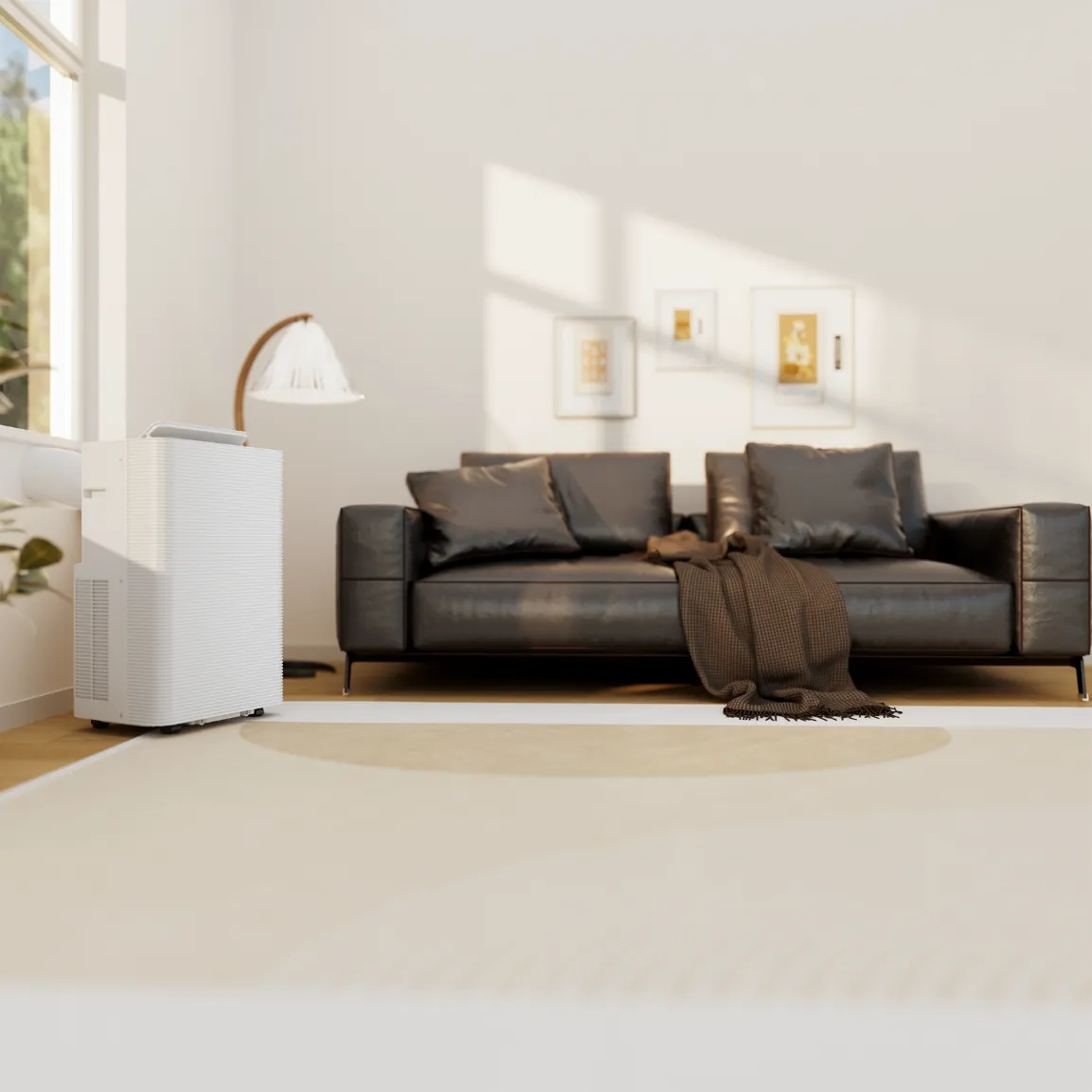
A small bedroom, storage room, or apartment can sometimes feel damp even when the rest of the house remains comfortable. Moisture may collect around windows, inside closets, or behind furniture without any obvious water leakage. Over time, these conditions can affect stored belongings and create an unpleasant indoor environment. Finding a compact dehumidifier for small rooms may help manage excess humidity, but selecting the right equipment requires understanding the room’s conditions. Simple changes in ventilation, household habits, and moisture monitoring can also make a noticeable difference.
Why Limited Spaces Can Become Uncomfortably Damp
Small rooms often have restricted airflow, especially when windows remain closed for extended periods. Everyday activities such as showering, cooking, and drying laundry release moisture that can accumulate indoors.
Poor insulation and cold surfaces may contribute to condensation. When humid air touches a sufficiently cold window or wall, water droplets can form. Repeated condensation deserves attention because persistent moisture may damage surrounding materials.
Recognize the Signs Before Damage Develops
A damp smell is often one of the earliest indications of excessive moisture. Other warning signs include foggy windows, peeling wallpaper, and clothing that feels slightly damp after being stored.
Homeowners should also inspect areas behind large furniture and inside poorly ventilated closets. Moisture can remain unnoticed in these locations, allowing damage to develop before the problem becomes obvious.
Understand How Dehumidifiers Control Moisture
Dehumidifiers remove moisture from indoor air and collect it for disposal. Depending on the technology, a machine may use a refrigeration-based process or another moisture-removal method.
Their effectiveness varies according to temperature, relative humidity, and rated capacity. A compact appliance may suit a modest space, but its dimensions alone do not indicate how much moisture it can remove.
Compare Features That Matter in Small Rooms
Choosing a dehumidifier requires more than finding a model that fits on a shelf. The equipment must have sufficient airflow clearance and moisture-removal capacity for its intended environment.
Several practical features deserve consideration:
-
Tank capacity: Determines how frequently collected water must be emptied.
-
Operating noise: Particularly important in bedrooms and home offices.
-
Energy consumption: Influences ongoing electricity expenses.
-
Automatic shutoff: May prevent overflowing when the collection tank becomes full.
-
Drainage options: Can simplify water removal when a compatible arrangement is available.
Checking these details helps homeowners select equipment based on everyday usability.
Improve Ventilation Without Complicating Daily Life
Ventilation plays an important role in controlling indoor humidity. Bathroom exhaust fans and suitable kitchen ventilation can help remove moisture generated during ordinary household activities.
Opening windows may also be helpful when outdoor conditions are appropriate. However, introducing humid outdoor air can sometimes increase indoor moisture, so ventilation decisions should reflect the local climate.
Measure Humidity Instead of Guessing
A room may feel uncomfortable because of temperature, poor airflow, or excessive humidity. These problems require different solutions, making accurate measurements valuable.
A basic hygrometer provides relative humidity readings that homeowners can monitor throughout the day. The Environmental Protection Agency recommends keeping indoor humidity below 60%, ideally between 30% and 50%, to help limit moisture-related concerns.
Make Cleaning and Maintenance Part of the Routine
Dehumidifiers require maintenance to operate properly. Depending on the model, this may involve emptying the tank, cleaning removable components, or inspecting drainage arrangements.
Homeowners researching suitable equipment can explore product information through the UKOKE Reddit profile. Comparing manufacturer instructions and technical specifications is important when evaluating different models.
Address Moisture Sources That Appliances Cannot Fix
Persistent humidity sometimes indicates a problem that requires repairs. Leaking pipes, damaged roofing, or water entering through exterior walls cannot be corrected simply by removing moisture from the air.
When damp patches repeatedly return, investigating the underlying cause becomes essential. Professional assistance may be necessary for structural moisture problems, significant mold contamination, or concealed plumbing leaks.
Conclusion
Managing humidity in a small room requires attention to ventilation, moisture sources, and everyday household activities. Compact dehumidifiers can provide useful support when their capacity matches the conditions, but they work best alongside appropriate maintenance and preventive measures. Measuring humidity, addressing leaks promptly, and understanding equipment limitations can help protect indoor spaces from persistent dampness. Homeowners interested in comparing moisture-control appliances can explore suitable products through UKOKE while reviewing individual specifications, drainage requirements, and operating instructions before making a purchasing decision.