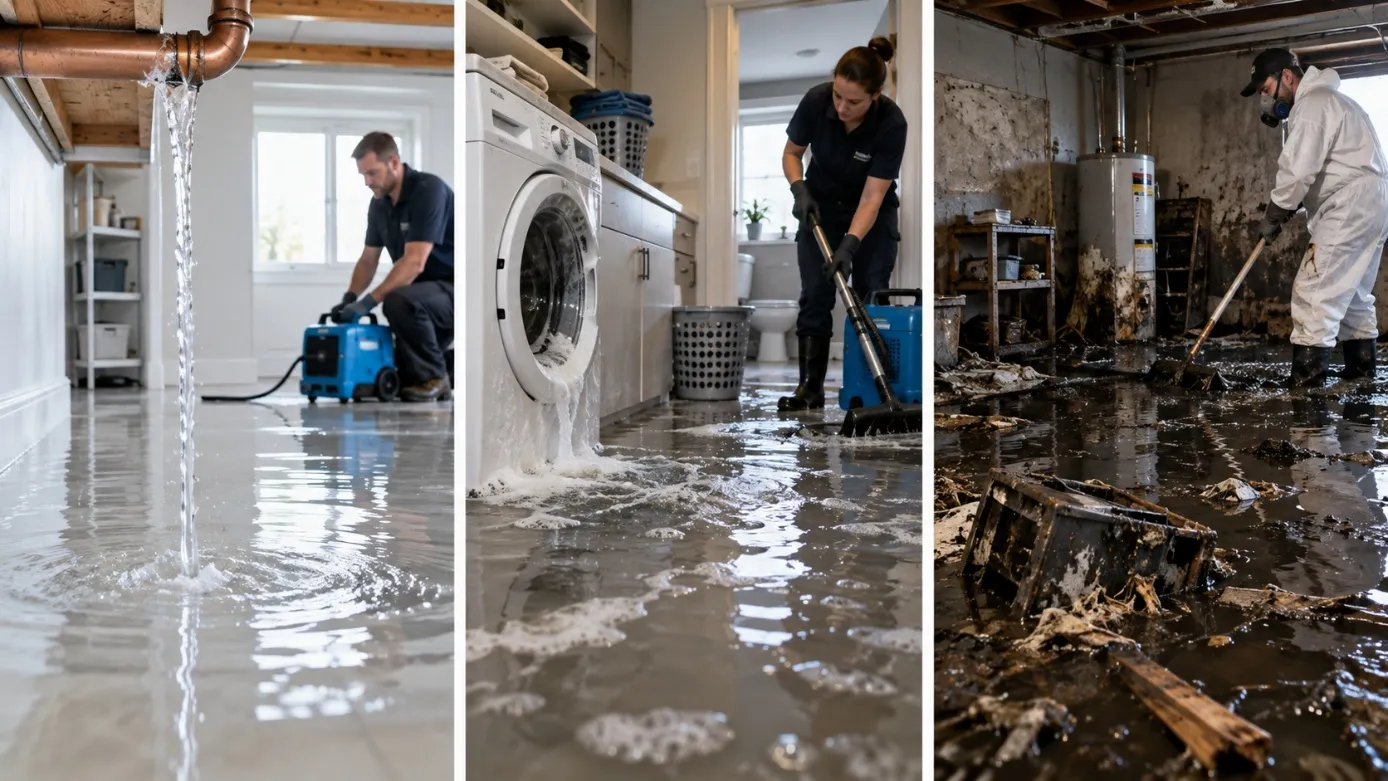
Not all water is equal. A supply line splashing across tile and a sewer backup in the basement may look similar, yet they call for completely different handling. Pros sort floodwater into categories before they touch a thing. Understanding those labels explains why emergency flood cleanup services ask so many questions on the first call, and why you shouldn’t skip them.
Why Water Gets a Label
The industry uses three categories. Category 1 comes from a clean source, like a broken supply pipe. Category 2, or gray water, carries some contamination from washing machines or dishwashers. Category 3, black water, includes sewage and river flooding. Each step up means more bacteria and more risk to your health. Know which one you’re dealing with.
Time changes the label, too. Clean water that sits for a day or two in warm conditions can drop a category as microbes multiply. That’s one reason speed matters so much. What started as a simple spill can become a hazardous cleanup if nobody acts. It’s biology, not drama. Warm weather speeds that clock up even more.
How Extraction Really Works
Pulling out water is the first physical step, and it’s more involved than it sounds. Submersible pumps handle deep standing water. Portable or truck-mounted extractors then lift what’s left from carpet and padding. Booking emergency water extraction services quickly stops water from soaking deeper into subfloors and wall bases, where it’s much harder to reach.
Extractors work by suction and heat, pulling surface water out before drying equipment even arrives. Crews often use special wands for hardwood and tile that protect the finish. Even after extraction, a surprising amount of moisture remains in the structure, which is why the drying phase follows. Dry to the touch isn’t dry.
When It’s Black Water
Sewage backups and storm surges call for protective gear: gloves, boots, respirators and sealed containment. Don’t wade in to rescue belongings. The risks include bacteria, parasites and viruses that cause serious illness. Keep kids and pets well away from the area until it’s been cleaned and disinfected. This isn’t a job for rubber gloves and bleach.
Porous materials exposed to black water, such as carpet, padding and drywall, are usually removed and discarded. It feels wasteful, but they can’t be reliably sanitized. Hard surfaces get cleaned with antimicrobial products. A trained crew follows a protocol rather than guessing, and that protects both your health and your insurance claim.
The Drying Phase Nobody Sees
Once the water’s out, the structure still holds moisture inside wood, concrete and drywall. Air movers push air across surfaces while dehumidifiers pull moisture out of the room. Crews monitor humidity and material readings daily, adjusting equipment as things change. It’s careful work, even if it looks like a few noisy fans in a hallway.
Drying typically takes three to five days, though it varies with materials and conditions. Thick hardwood and plaster take longer than carpet. Stopping early is tempting, but damp framing is a perfect home for mold. Readings, not appearances, tell the crew when it’s finished. Patience here prevents expensive callbacks later.
What Happens to Your Belongings
Not everything is a loss. Hard goods like glass, metal and many plastics can be cleaned and returned to use. Soft goods vary. Clothing, linens and some upholstery can be professionally laundered or treated off-site. Photographs and documents may be salvaged if you act quickly. Ask before you throw anything away.
Be honest with your crew about sentimental items. They can often suggest realistic options, from freezing wet photos to cleaning heirloom furniture. They can also tell you what’s not worth saving. Having that conversation early prevents regret later, especially when your insurer is deciding what gets replaced. They’ve seen it all and won’t judge.
Conclusion: Know the Label, Know the Plan
Once you understand the three categories, the questions on that first phone call make sense. Where did the water come from? How long has it been there? What did it touch? Honest answers help the crew bring the right gear and keep everyone safe from the start. Even rough guesses help at that stage.
If you’re dealing with a flood right now, reach out through movefastrestoration.com and describe what you’re seeing. The more detail you give, the better the response. Stay out of dark, smelly water, and let trained people handle the rest while you focus on your family. Don’t wait for perfect information before calling.