
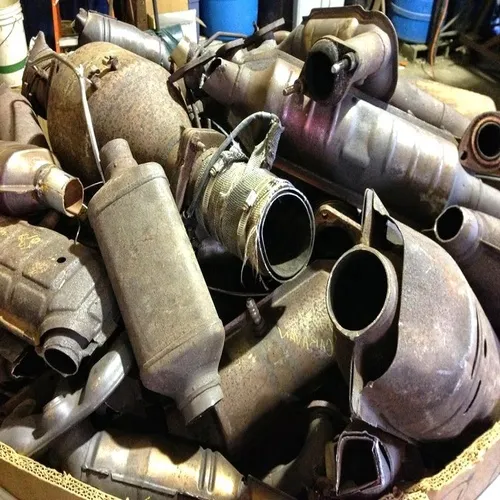
If you plan to Sell Scrap Catalytic Converter material, dealing directly with a qualified refinery can make the recycling chain easier to understand. Instead of passing the converter through several resellers, a direct refinery relationship may connect the seller more closely with the business responsible for processing the material. That does not automatically mean every direct offer will be the highest, so sellers should still compare terms. The important starting point is knowing who receives the converter, how it is evaluated, and how payment is determined.
Identify The Converter Properly
Before contacting a refinery, identify the converter as accurately as possible. Look for stamped numbers, engraved codes, manufacturer markings, and other visible identifiers on the housing. Take clear photographs of those markings and the complete unit. If the vehicle source is known, record its make, model, engine, and approximate year as supporting information. Correct identification gives the refinery a better basis for estimating recoverable material. It also prevents a seller from accidentally comparing a quotation for one converter type with a different unit.
Ask About The Refining Role
A catalytic converter refinery may perform processing that separates recoverable precious metals from recycled converter material, but not every company using the word refinery necessarily handles every stage itself. Ask what happens after the converter is received. Does the company process the material internally, send it to another facility, or work through a refining partner? Knowing the answer helps explain the buying structure and can make quotations easier to understand. It also gives sellers a better idea of where their material enters the recycling chain.
Understand How Value Is Calculated
Converter value can be based on several factors, including identification, expected precious-metal content, market conditions, processing costs, and testing results. Ask whether the quotation is fixed or provisional and whether an assay can change the final payment. A current market reference may influence the initial figure, but the recoverable value of a specific converter is not necessarily identical to the theoretical market value of its metals. Clear explanations help sellers understand why a quoted amount is what it is and what could cause it to change.
Compare Direct Offers
Even when a refinery appears to offer direct processing, request more than one quotation whenever practical. Give each business the same photographs and converter information so the comparison is fair. Check the quotation date, payment timing, testing requirements, shipping costs, and possible deductions. A direct relationship is valuable only when the complete terms are competitive and understandable. Comparing offers also gives you useful context if one business provides a significantly different figure. Ask each buyer to explain major differences rather than assuming the highest number is automatically correct.
Review Shipping Requirements
Direct refinery transactions may require shipping, especially when the facility is not close to the seller. Ask about packaging, labeling, tracking, insurance, delivery confirmation, and required paperwork before sending anything. Photograph the converter and package before dispatch, then retain the tracking receipt. If the refinery requires a minimum quantity, confirm that requirement before arranging shipment. These details may seem minor, but they affect the practical cost and convenience of the transaction and can prevent delays caused by incomplete preparation.
Keep Settlement Records
When the transaction is complete, keep the quotation, converter photographs, shipping records, inspection information, assay or settlement documents, and payment confirmation. If the final payment differs from the original estimate, review the stated reason for the adjustment and retain that explanation. These records are useful when selling additional converters because they create a reference for future comparisons. They can also help you identify whether a buyer consistently provides clear settlements or whether unexpected adjustments regularly appear after material has been received.
Conclusion
Selling scrap catalytic converter material directly to a qualified refinery can provide a clearer view of the recycling process, but sellers should still investigate the company’s role, valuation method, testing practices, and payment terms. Accurate identification and careful records make the transaction easier to evaluate. Direct processing is one factor, not the only factor. For additional information about catalytic converter recycling and refining, gndrefiners.com can be reviewed alongside other research before deciding which buyer or refinery best fits the sale.