

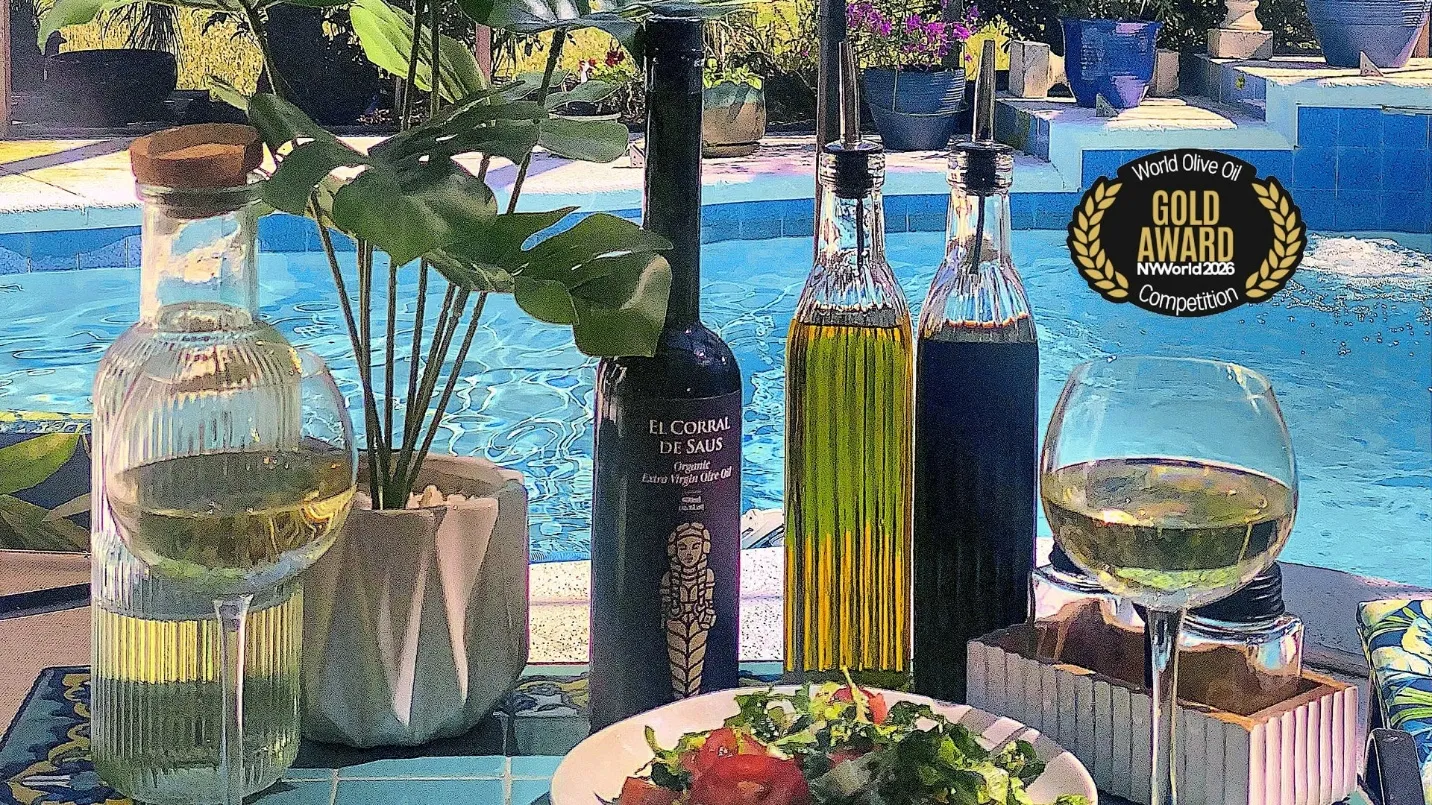
Even if the ingredients are the same and the word extra virgin is the same on the label of the olive oil, the taste of each bottle can be different. The variations frequently occur in the olives, growing conditions, harvesting practices, processing and storage. Spanish olive oil is well established as a result of the fact that the olive has a long history in Spain, and the variety of growing areas. If buyers are aware of these factors, they will be able to spot what makes for a more elegant and unique oil.
Start With Olive Quality
The quality of the olive is a significant factor in the quality of the final oil. A desirable balance of aromas, flavors and balance can be achieved by picking olives at the proper time when they are in good condition. Since careless harvesting and transportation can lead to damage, the fruit may not have such appealing characteristics as a result.
The variety of olive is of particular importance for the Spanish extra virgin olive oil. Wide varieties are grown in Spain, and each of these may impart a different sensory characteristic. Others yield oils with a soft fruity flavor, and others provide a more bitter, peppery or herbal flavor.
Spain Offers Diverse Growing Regions
The territory of Spain is not uniform in terms of olive-growing. The soils, climate, altitudes, and rainfall of different regions vary, as do farm practices. These factors have the ability to affect olive tree growth and fruit ripening.
The regional diversity is a reason for the wide variety of characteristics of premium extra virgin olive oil that can be found. The difference in variety combined with the growing conditions in one Spanish region may make the oil slightly different from one growing region to another.
It can, therefore, be helpful to buyers to be aware of the region. Rather than considering olive oil as just one product, it might be useful to consider it as an agricultural product influenced by its environment.
Harvest Timing Matters
Once the fruits have been harvested, quality control of the olive oil is another crucial aspect of the harvest. The olives can be harvested at various grades of maturity according to the characteristics and production methods desired.
The oils will have a stronger green, bitter profile with early harvest, and can be softer and fruitier with a later harvest. Neither is necessarily beneficial to everyone when it comes to oil. The selection will depend on the variety, the producer’s objectives and tastes.
Precautions after harvest are also essential. No unnecessary delays or damage should occur in the process of bringing olives to the processing stage. Good practices are used to maintain the qualities of the fruit.
Processing Shapes the Final Oil
Extra virgin olive oil is made by a mechanical process rather than a chemical process. The desirable characteristics may be affected during production due to temperature and handling.
Careful extraction can be facilitated with the aid of modern equipment, but the quality of the extraction process is not dictated by technology alone. The quality of the olives that enter the mill is always basic. A good production process must work with well-grown fruit and cannot and should not correct the shortcomings of poor raw material.
This is also the reason why producers pay very close attention when it comes to harvesting, transportation, milling, and filtration and/or storage decisions. Any of the stages can affect the product.
Flavor Is Part of the Experience
Having premium quality isn’t only a technical thing. The flavor and fragrance are also part of the experience. With a good oil, nice fruity smells, good bitterness and a peppery aftertaste should be achieved.
A mild oil is suitable for light dishes or dressings or a more robust flavor for grilling vegetables, breads or strong dishes. Understanding these differences can enhance the enjoyment of tasting and assist the buyer to choose oils that meet their tastes and preferences.
The packaging and storage should also be taken into account. Over time, olive oil may be impacted by exposure to heat, light and air. Ensuring the proper closure and storage of the bottle away from direct sunlight helps to retain the characteristics of the oil.
Understanding Premium Quality
Making a good olive oil is a series of related decisions and not just a particular characteristic. A premium olive oil is the result of several connected choices rather than one single feature. Olive variety, regional conditions, harvest timing, careful handling, extraction, and storage can all contribute to the final result. For anyone exploring Spanish extra virgin olive oil, understanding these factors makes it easier to appreciate why oils from different producers and regions can vary so much. Sapega.company offers an example of Spanish olive oil presented around origin, cultivation, varieties and careful production. Learning these small facts helps you pick and taste fine oil with real confidence.