
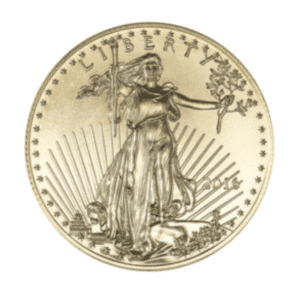
American Gold Eagles are widely recognized U.S. bullion coins, but choosing one is not simply a matter of deciding to own gold. Buyers also need to think about coin size, premium over metal value, storage, resale convenience, and whether they are buying for direct ownership or through an eligible retirement arrangement.
For people considering buying american eagle gold coins, the useful starting point is to compare the practical role of each denomination rather than assuming the largest coin is automatically the best fit. The U.S. Mint produces Gold Eagles in one-ounce, half-ounce, quarter-ounce, and tenth-ounce sizes, each containing a stated amount of fine gold.
Start With the Purpose of the Purchase
Some buyers prefer bullion because they want a recognizable form of physical gold. Others value smaller denominations because they can be easier to divide, gift, or sell in portions. A clear purpose helps narrow the choice before premiums and dealer pricing enter the discussion. Buyers should also decide whether they expect to add to the position gradually or make only an occasional purchase, because that can influence which denomination is easiest to manage.
Retirement-account buyers have an additional layer to consider. U.S. tax rules create specific exceptions for certain American Eagle coins and qualifying bullion, but the account structure, custody, and storage requirements matter. Buyers using an IRA should confirm eligibility with the custodian rather than relying on a product description alone.
Compare Coin Size With the Premium
Smaller fractional coins generally contain less gold, but their premium per ounce can be higher than that of a one-ounce coin. Minting, distribution, dealer costs, and demand can all affect the spread between the coin price and the underlying metal value.
This means a lower purchase price per coin does not necessarily mean a lower cost per ounce of gold. Buyers should compare the total premium and not only the amount needed to acquire one piece. The difference becomes more important when purchasing several fractional coins.
Why the Quarter-Ounce Format Appeals to Some Buyers
A 1/4 oz american gold eagle sits between the smaller tenth-ounce piece and the larger half- and one-ounce options. For some buyers, that middle size offers a useful balance between a lower per-coin outlay and a meaningful amount of gold in each coin.
The quarter-ounce Gold Eagle has a $10 face value and contains one-quarter troy ounce of fine gold, while the coin itself is an alloy designed for durability. The face value is symbolic and does not represent the market value of its gold content.
Think About Storage and Resale Practicality
Physical gold needs secure storage. Buyers keeping coins personally may consider a safe, safe-deposit arrangement, or another secure method, while retirement accounts generally involve qualified custody and storage rather than personal possession. Insurance and access should also be part of the decision.
Resale convenience can vary by format. Recognizable sovereign-mint coins may be familiar to many precious-metals dealers, but the price offered at resale will still depend on market conditions, coin condition, dealer spreads, and local demand at that time.
Avoid Treating Bullion as a Guaranteed Outcome
Gold prices can rise or fall, and bullion does not produce interest or dividends. Buyers should therefore avoid treating a Gold Eagle as a guaranteed hedge, guaranteed profit, or substitute for a diversified financial plan.
A careful purchase decision looks at liquidity needs, time horizon, total portfolio exposure, transaction costs, and storage. Anyone considering precious metals inside a retirement account should also review tax and custody questions with qualified professionals.
Check Authenticity and Product Details
Buyers should confirm that the coin description matches the product being offered, including denomination, year when relevant, condition, and whether the item is bullion, proof, or graded. Clear photographs and written specifications help reduce confusion, especially when similar-looking versions can carry different premiums.
Dealer reputation and transaction terms matter as well. Before paying, buyers should review shipping, insurance, returns, payment methods, and any buyback policy without assuming future repurchase is guaranteed. Documentation makes the purchase easier to verify later.
Conclusion
American Gold Eagles offer several size choices, and each denomination creates a different balance of purchase cost, premium, divisibility, and storage. The right format depends on how the buyer expects to hold and eventually use or sell the coins.
Comparing the fine-gold content, dealer premium, storage method, and intended account structure before buying can prevent avoidable surprises. The goal is not to find a universally superior size, but to choose a format that fits the buyer’s own practical needs and risk tolerance.