

Grinding and material processing industries rely heavily on durable media that can handle continuous friction, pressure, and impact. Whether the goal is fine particle reduction, surface polishing, or industrial mixing, the performance of the grinding material directly affects efficiency and product quality.
Among the most commonly used materials in these applications are alumina spheres and abrasive carbide powder. Both are widely trusted in industrial environments, yet they serve different functions depending on the processing requirements and operating conditions.
Understanding how these materials perform helps manufacturers choose the right solution for long-term productivity and consistent processing results.
Why Grinding Media Selection Matters
Industrial grinding systems operate under constant stress. Poor-quality media can wear quickly, contaminate materials, and increase operational costs.
Manufacturers look for materials that offer:
- High hardness
- Wear resistance
- Thermal stability
- Chemical resistance
- Consistent performance
Both alumina ceramics and carbide-based materials are designed to meet these demands, but each performs differently in practical applications.
What Makes Alumina Spheres Effective
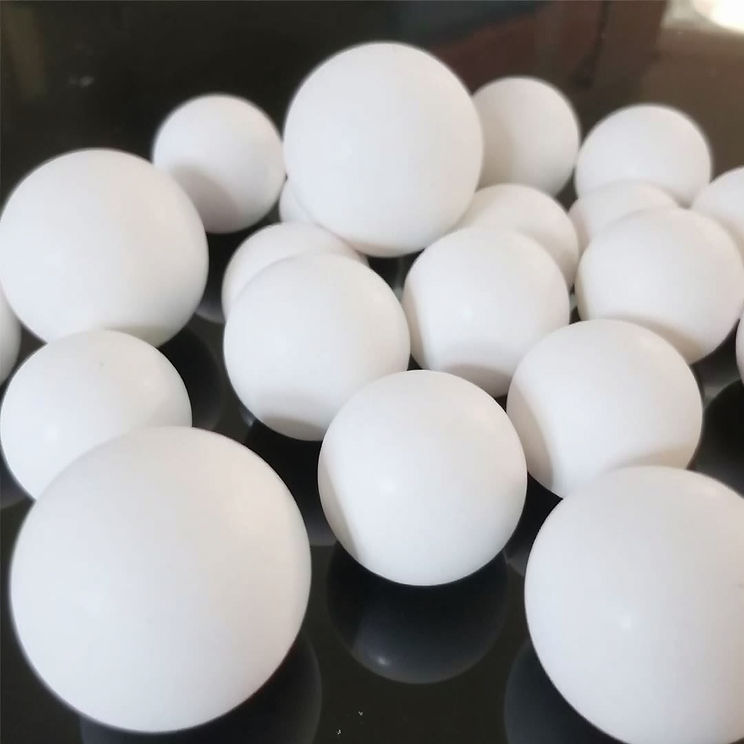
Alumina spheres are ceramic grinding media made from aluminum oxide. They are widely used in industries that require clean and efficient grinding operations.
One of their biggest advantages is their excellent wear resistance. Alumina spheres maintain their shape even during continuous use, helping reduce contamination inside processing systems.
Industries commonly use alumina spheres in:
- Ceramic manufacturing
- Paint processing
- Chemical mixing
- Mineral grinding
- Pharmaceutical production
Their smooth surface and stable structure make them ideal for applications requiring precise material consistency.
Understanding Abrasive Carbide Powder
Abrasive carbide powder is valued for its extreme hardness and cutting ability. It is commonly used in abrasive applications where aggressive material removal is necessary.
This powder is often applied in:
- Grinding wheels
- Surface polishing
- Sandblasting
- Abrasive cutting systems
- Wear-resistant coatings
Carbide materials are known for maintaining sharp cutting edges under intense friction. This allows them to process hard materials efficiently while resisting wear.
Because of their abrasive nature, carbide powders are especially effective in applications involving metal finishing and precision machining.
Comparing Wear Resistance
Both materials offer strong wear resistance, but their behavior differs depending on the environment.
Alumina spheres are designed for controlled grinding operations where low contamination and consistent particle processing are priorities. They wear slowly and help maintain product purity.
Abrasive carbide powder performs better in aggressive cutting and abrasion environments. Its hardness allows faster material removal, especially when working with metals or extremely tough surfaces.
For long-term grinding media applications, alumina often provides better operational stability. For high-intensity abrasive processing, carbide powders usually deliver greater cutting performance.
Thermal and Chemical Stability
Industrial grinding systems frequently involve elevated temperatures and exposure to chemicals. Materials that cannot resist these conditions may lose effectiveness over time.
Alumina ceramics offer excellent chemical resistance and remain stable during long operating cycles. This makes alumina spheres suitable for chemical processing and ceramic production environments.
Carbide powders also perform well under heat and mechanical stress. Their thermal durability supports demanding industrial operations where friction generates significant temperatures.
The final selection depends on whether the application requires controlled grinding or aggressive abrasion.
Industries That Prefer Alumina Spheres
Many industries select alumina spheres because they reduce contamination and support precision processing.
Common applications include:
Ceramic Manufacturing
- Alumina media helps maintain material purity during grinding operations.
Chemical Processing
- Its corrosion resistance supports stable long-term use.
Pharmaceutical Production
- Low contamination levels make alumina useful for sensitive processing environments.
Where Abrasive Carbide Powder Performs Best
Carbide-based abrasives are preferred when rapid material removal is necessary.
Metal Finishing
- Carbide abrasives improve cutting and polishing efficiency.
Surface Preparation
- Industrial systems use abrasive powders for cleaning and smoothing hard surfaces.
High Wear Operations
- Carbide materials resist breakdown under extreme friction.
Choosing the Right Material
There is no single grinding material suitable for every industrial process. Alumina spheres provide excellent stability, cleanliness, and long service life for controlled grinding operations.
Abrasive carbide powder delivers superior hardness and cutting efficiency in aggressive processing applications.
Many manufacturers select materials based on the balance between wear resistance, contamination control, processing speed, and operational cost.
Conclusion
Grinding media performance plays a major role in industrial efficiency and product quality. Alumina spheres and abrasive carbide powder both offer valuable advantages, but each is designed for different operational needs.
Selecting the right material requires understanding the demands of the application, the operating environment, and the desired processing outcome. Companies looking for advanced ceramic and industrial material solutions can explore a wide range of engineered products at regmetals.com.